Performance Coaching
“Bex helped me reframe performance anxiety from something all-consuming to a passing feeling. Learning to acknowledge rather than suppress it has already made a real difference in my performances.”
— 1:1 client

© Daniel Lopez
You play well in practice, but something shifts in performance
Anxiety escalates quickly and feels uncontrollable
Your body stops cooperating — tension, shaking, loss of coordination
You overthink, monitor, and lose trust in your playing
Does this sound familiar?
You’re not alone. And you’re not broken.
These experiences are incredibly common among musicians — even at the highest level — and yet they are often faced in silence.
A different way of understanding performance anxiety
Most approaches focus on reducing or eliminating anxiety.
But in high-stakes performance, that’s often unrealistic — and unhelpful.
My work is based on a different understanding:
Performance anxiety is not a flaw.
It is a natural, adaptive response to pressure.
The challenge is not the anxiety itself —
but how we relate to it.

The Shift
People often ask:
“How did you get rid of your anxiety?”
I didn’t.
I learned how to understand it — and work with it.
That shift changed everything.
I help musicians move from:
control → responsiveness
tension → coordination
overthinking → clear attention
fear of performance → engagement with performance
This is not about “calming down.”
It’s about functioning effectively under pressure.
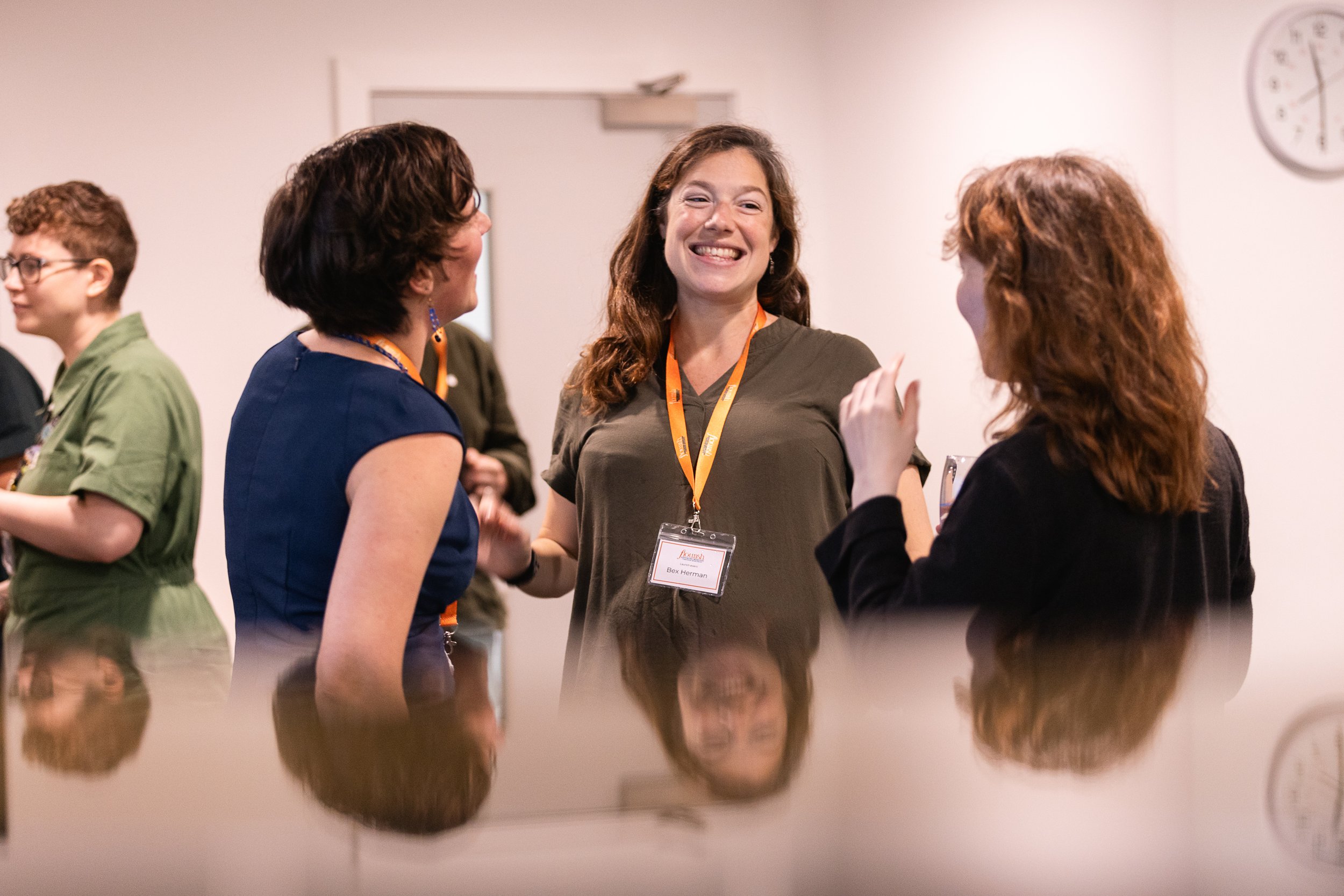
© Flourish (RNCM)
How we work
Understanding
A clear, evidence-based model of performance under pressure
Regulation
Practical tools for working with your nervous system
Application
Direct translation into performance
I work with conservatoires, orchestras and training programmes internationally, delivering workshops on performance under pressure, anxiety, mindset and musicians’ wellbeing.
Workshops range from 60 minutes to full-day sessions and are grounded in both research and real performance experience.
Recent workshops include:
‘Thriving under Pressure: Performing your Best when it Counts’: Sydney Symphony Orchestra, Fellowship artists (Sydney, Australia) 2026
‘Thriving under Pressure: Performing your Best when it Counts’: Barker College, (Sydney, Australia) 2026
‘There’s No Business like Show Business, or is there? What can the sport and performance psychology world learn from elite artistic performers?’ Department of Applied Sport and Performance Psychology, Dominican University of California (USA) (co-led with Cath Arlidge and Joanna Patton) 2024
‘Working with the Inner Critic: A Mindful Approach to Music Making’: North London Buddhist Centre (London, UK) (co-led with Ruth Phillips) 2024
‘Playing from Memory: Research-based Strategies to feel confident playing from memory’: Cello Dynamites Cello course (Surrey, UK) 2024
Performance Anxiety workshops for students and faculty: Wells Cathedral School (Somerset, UK) 2023
Performance Psychology workshop: Cello Dynamites Cello course (Surrey, UK) 2023
‘Wellbeing for Musicians’: London Philharmonic Orchestra Junior Artists (London, UK) 2023
‘Reframing Anxiety: A Toolbox for Confidence and Achievement’: Royal Academy of Music Junior Department (London, UK) 2023
‘Wellbeing for Musicians’: Street Orchestra of London (London, UK) 2022
‘Mindfulness for Musicians’: London Philharmonic Orchestra, Foyle Future Firsts (London, UK) 2022
‘The Musicians’ Wellbeing Toolkit’: London Philharmonic Orchestra, Foyle Future Firsts (London, UK) 2021
‘Mindfulness Strategies for Music Performance Anxiety’: Royal College of Music (London, UK) 2021
‘How to Succeed in Orchestral Auditions’: Royal College of Music (London, UK) (co-led with Professor Gabrielle Lester) 2021